Hands-On Learning Starts Here
Why Manipulatives Matter
The research is clear that students learn math best when they can see it, touch it, and experience it before they are ever asked to work with abstract numbers and symbols. The primary benefit of Moving with Math® is that students gain a solid understanding of underlying math concepts through hands-on learning activities, providing a firm, memorable foundation for more abstract, symbolic operations.
All Moving with Math programs use the CRA instructional model and concrete manipulatives to introduce every objective. It is not an add-on or an enhancement it is the foundation of everything.

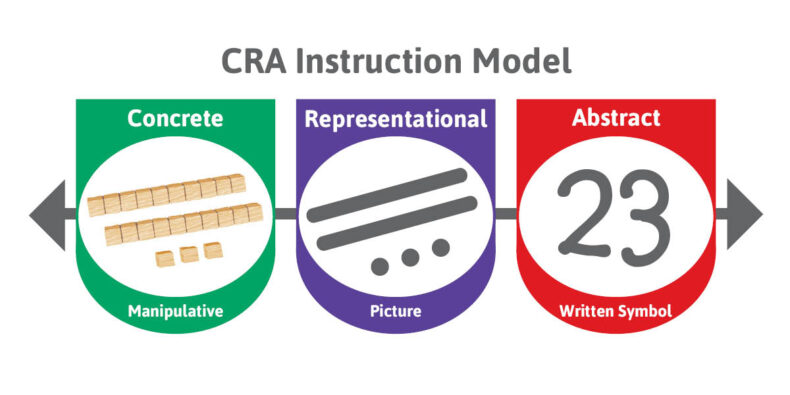
children move through according to child psychologist Jean Piaget.
The Three Stages of Learning
Every manipulative kit is designed to support students through the three carefully sequenced stages of the Concrete-Representational-Abstract (CRA) instructional model. In the Concrete stage, students have actual contact with objects looking, touching, and moving them to understand mathematical concepts. In the Representational stage, students bridge the gap between the concrete and the abstract through strategies such as drawing pictures and talking about math. In the Abstract stage, real objects and pictures are connected to the abstract numerals and signs of arithmetic and algebra, giving students a deep understanding built on their concrete and representational experiences.
Everything You Need for Every Grade, Level or Program
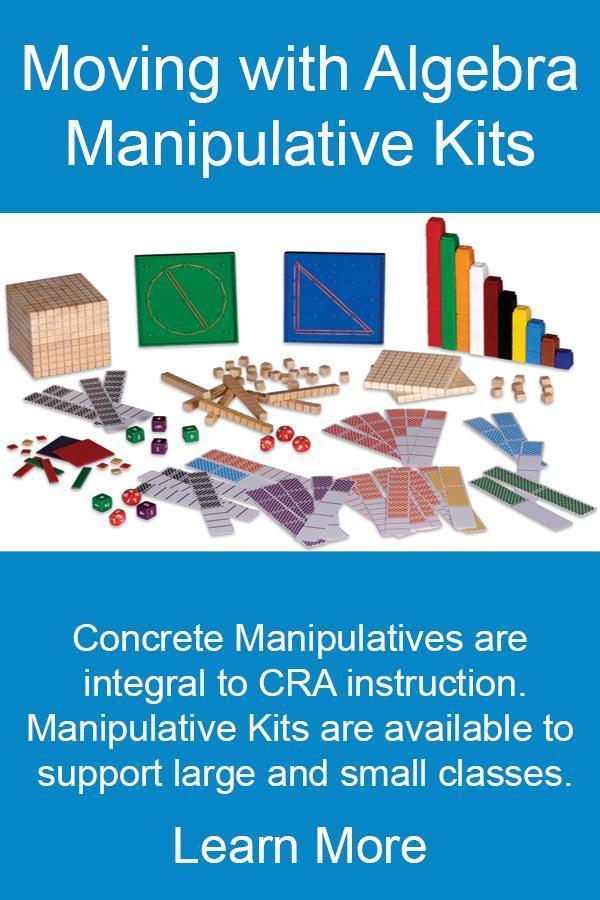
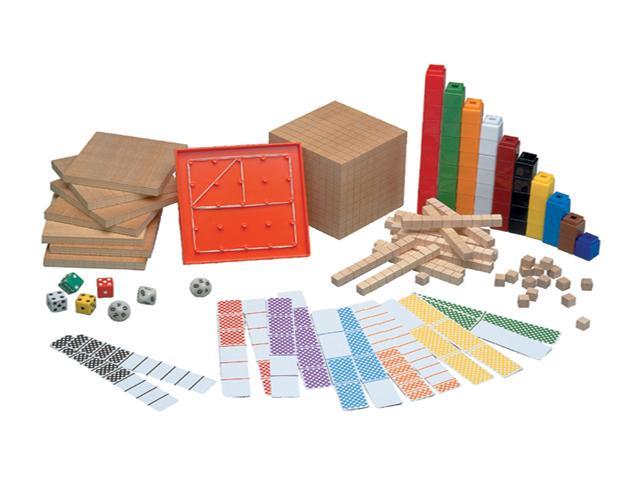
Every manipulative kit is thoughtfully curated to include exactly the tools needed to support the corresponding program and no guesswork or wasted budget on tools that don’t get used. Each kit is matched to the program materials at that level so teachers can open the box and get straight to teaching. All kits are recommended for groups of up to 10 students, making it easy for schools and districts to scale orders to fit any classroom size, intervention group, or program configuration.
Order Your Manipulative Kits
Whether you are launching a new program, replacing worn materials, or expanding an existing initiative, manipulative kits give you everything you need to bring hands-on math learning to life in your classroom.